Skip to content
Facebook Instagram TikTok YouTube
Sea Turtle Patrol HHI
  • About UsExpand
    • Our Organization
    • Sea Turtle FAQs
    • How to Help
    • Community Impact
    • Sea Turtle Friendly Program
  • Events
  • Nest Dedications
  • News & UpdatesExpand
    • News & Updates
    • Photo & Video Gallery
  • Contact

DONATE
Sea Turtle Patrol HHI
Donate

Patrol Photos

  • Sea Turtle Patrol Tracing Turtle Tracks
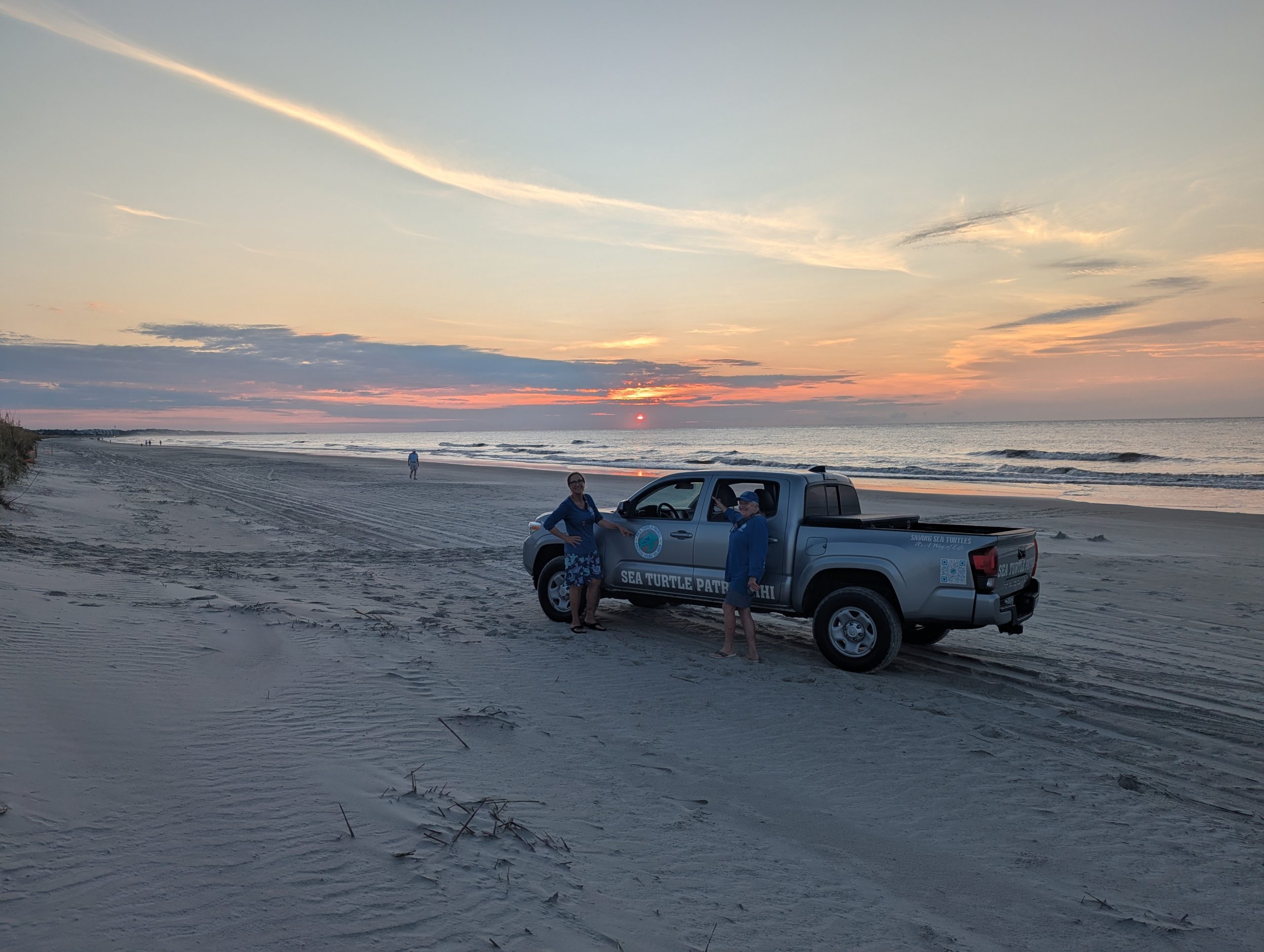
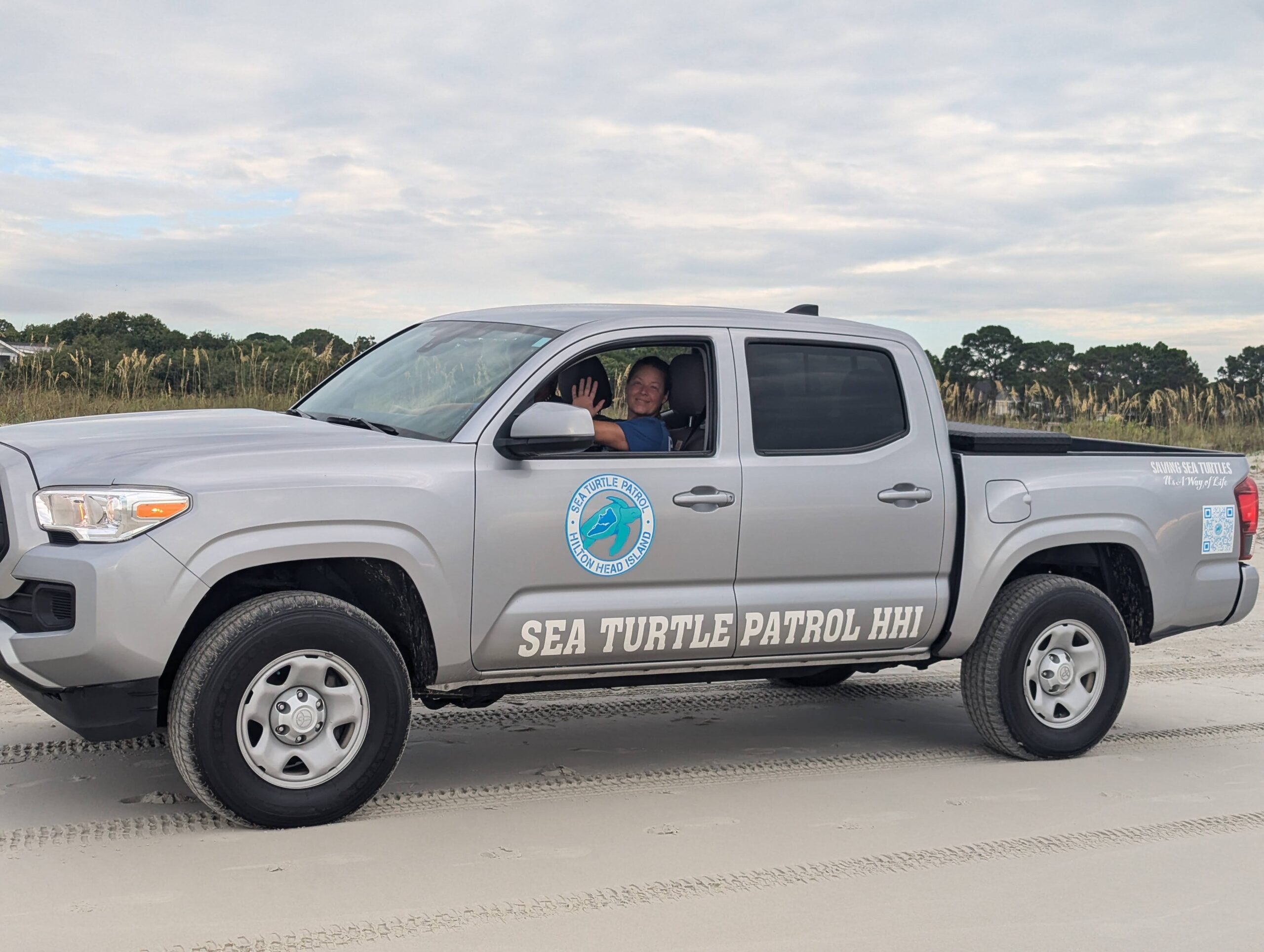
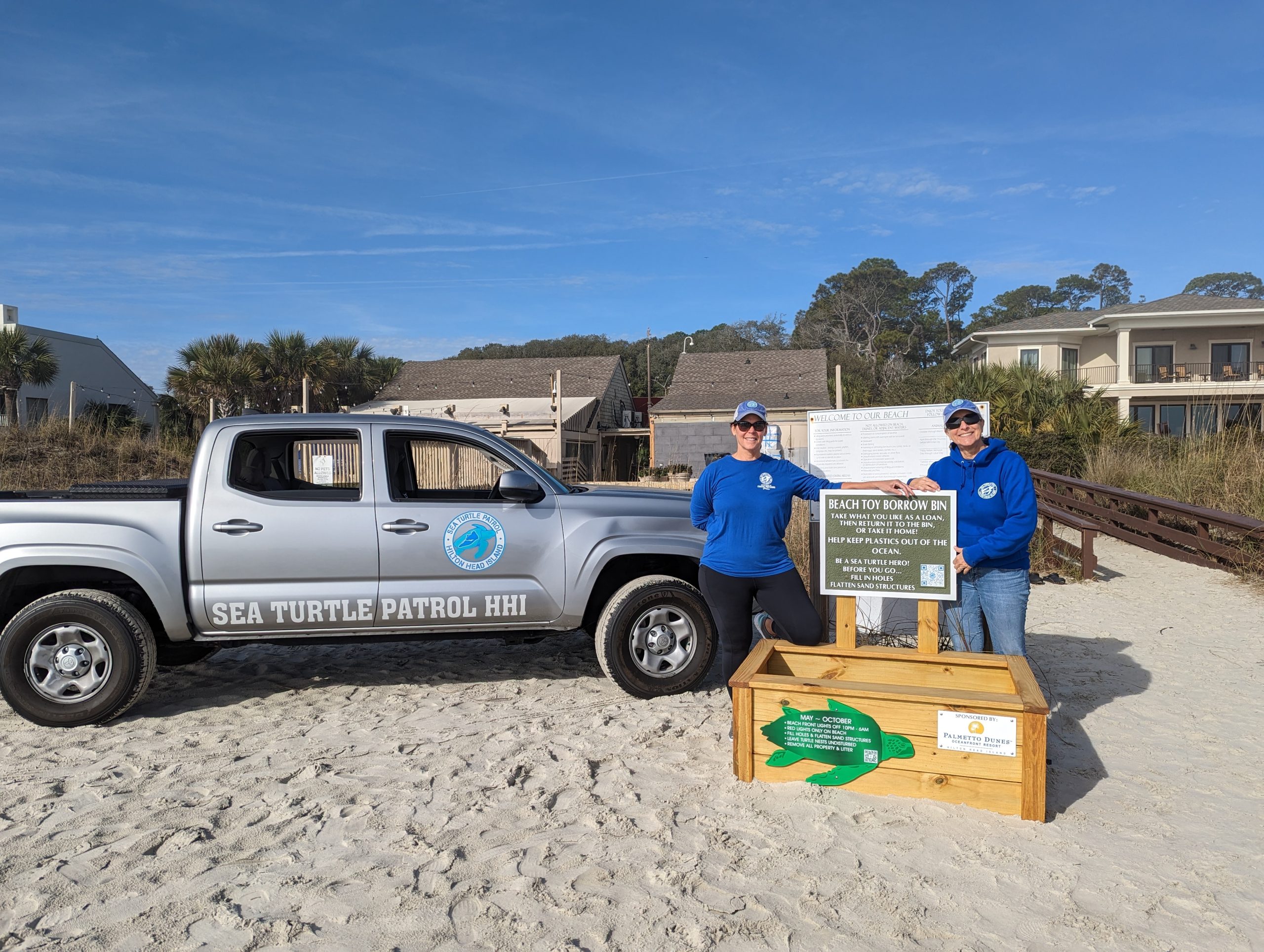
  • Sea Turtle Patrol HHI Truck
  • Sea Turtle Patrol HHI Truck
  • Hilton Head Nest Inventory
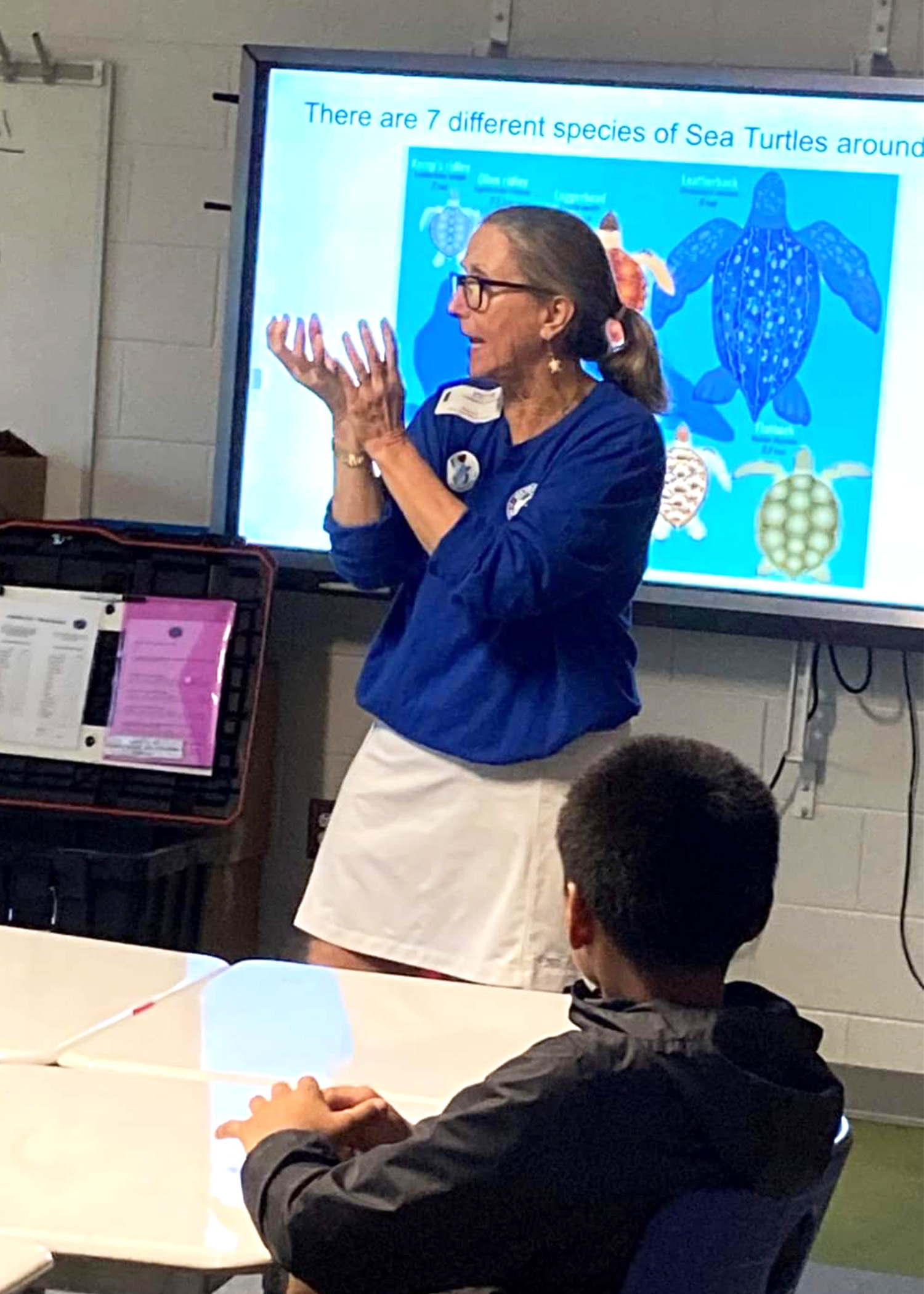
  • Sea Turtle Patrol in the Classroom on Hilton Head
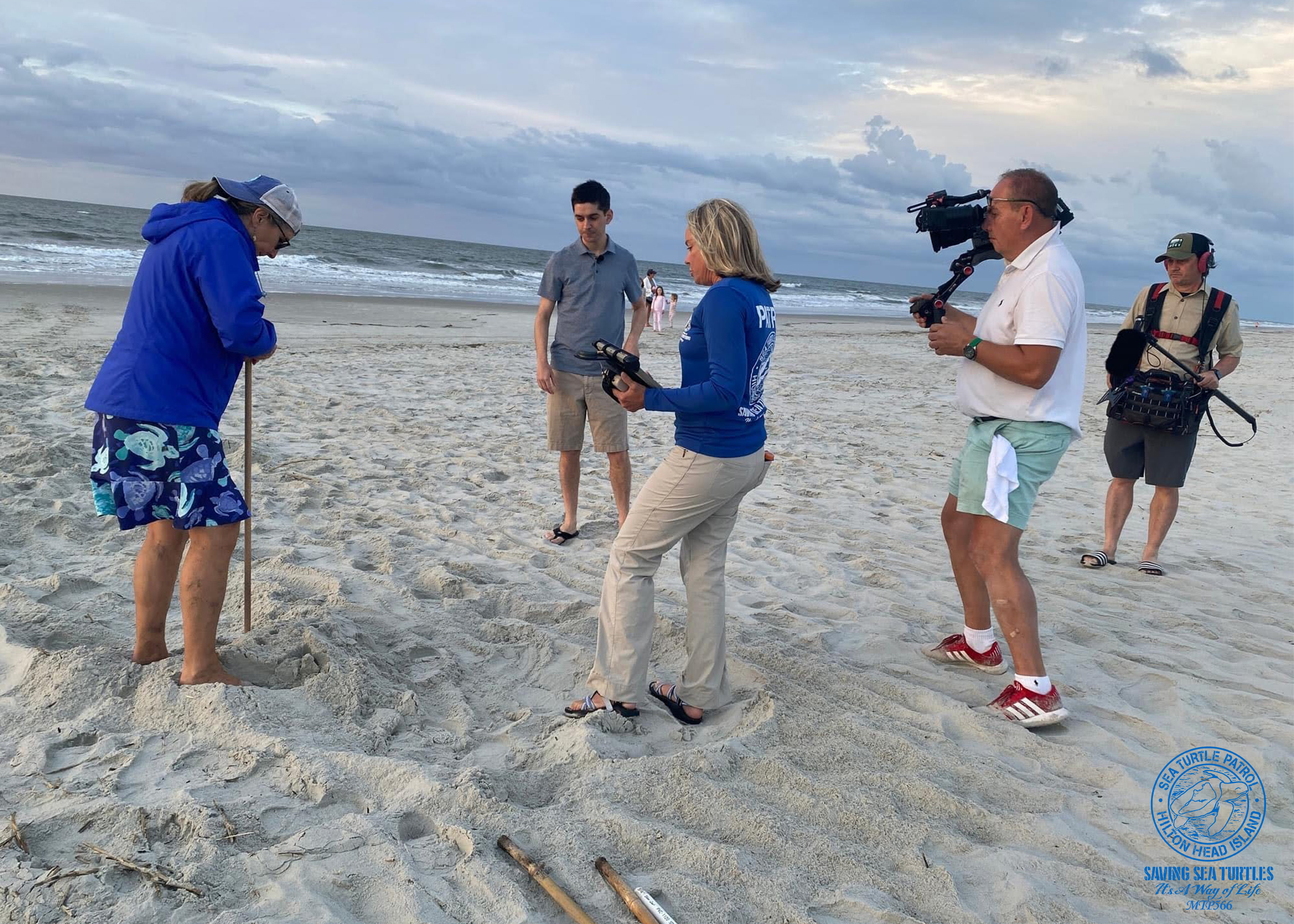
  • Sea Turtle Patrol with NBC News crew
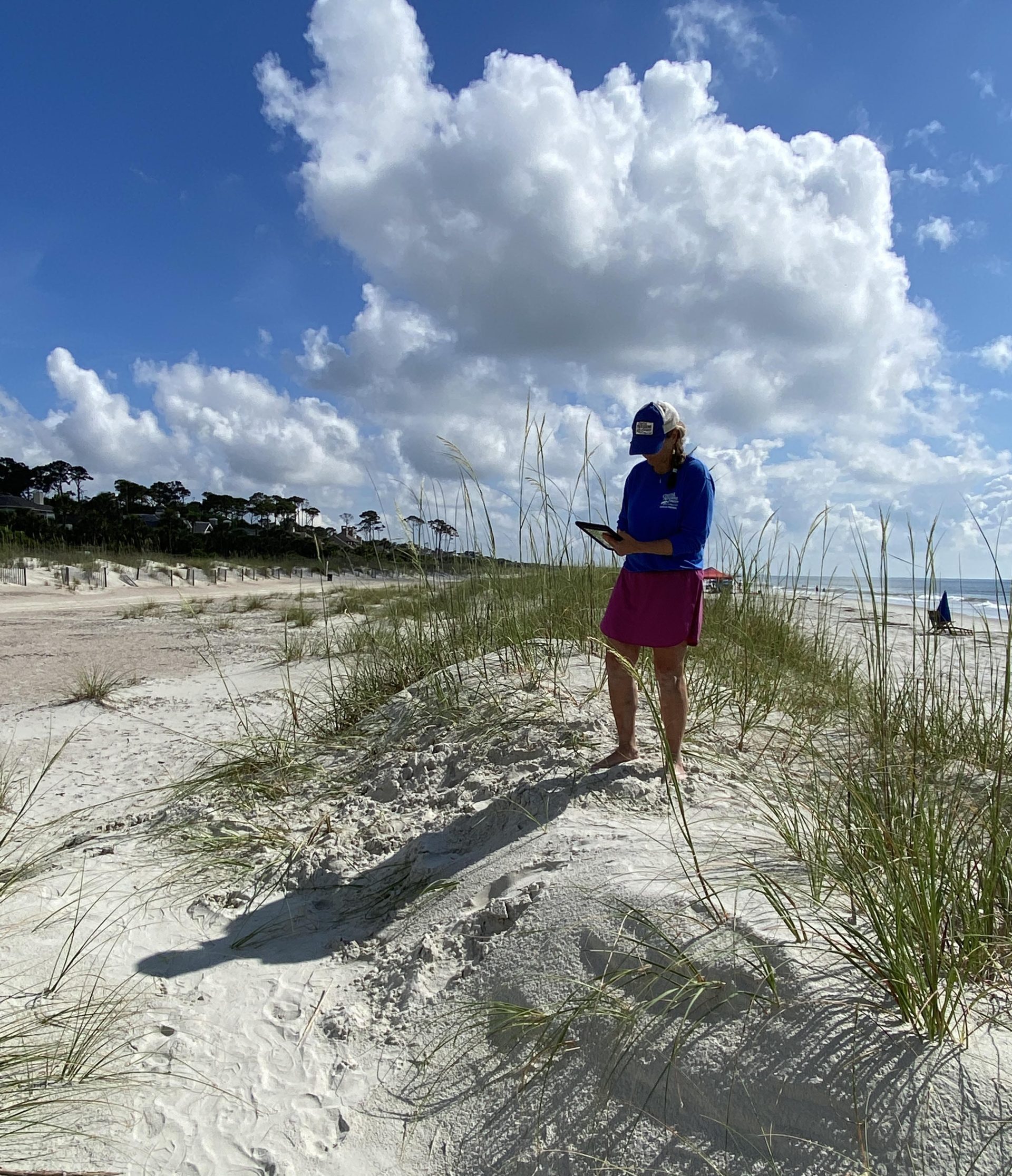
  • Sea Turtle Patrol on duty
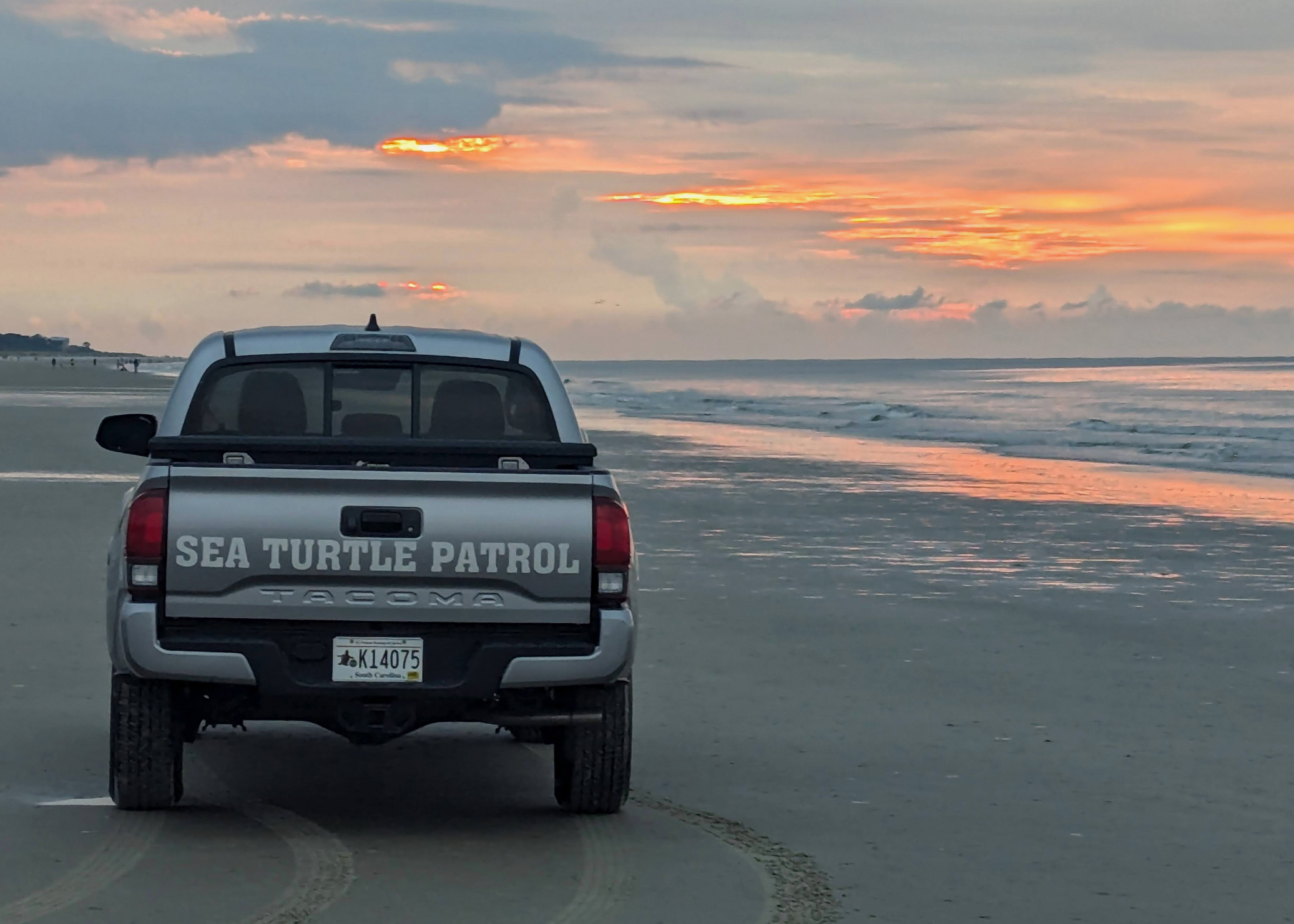
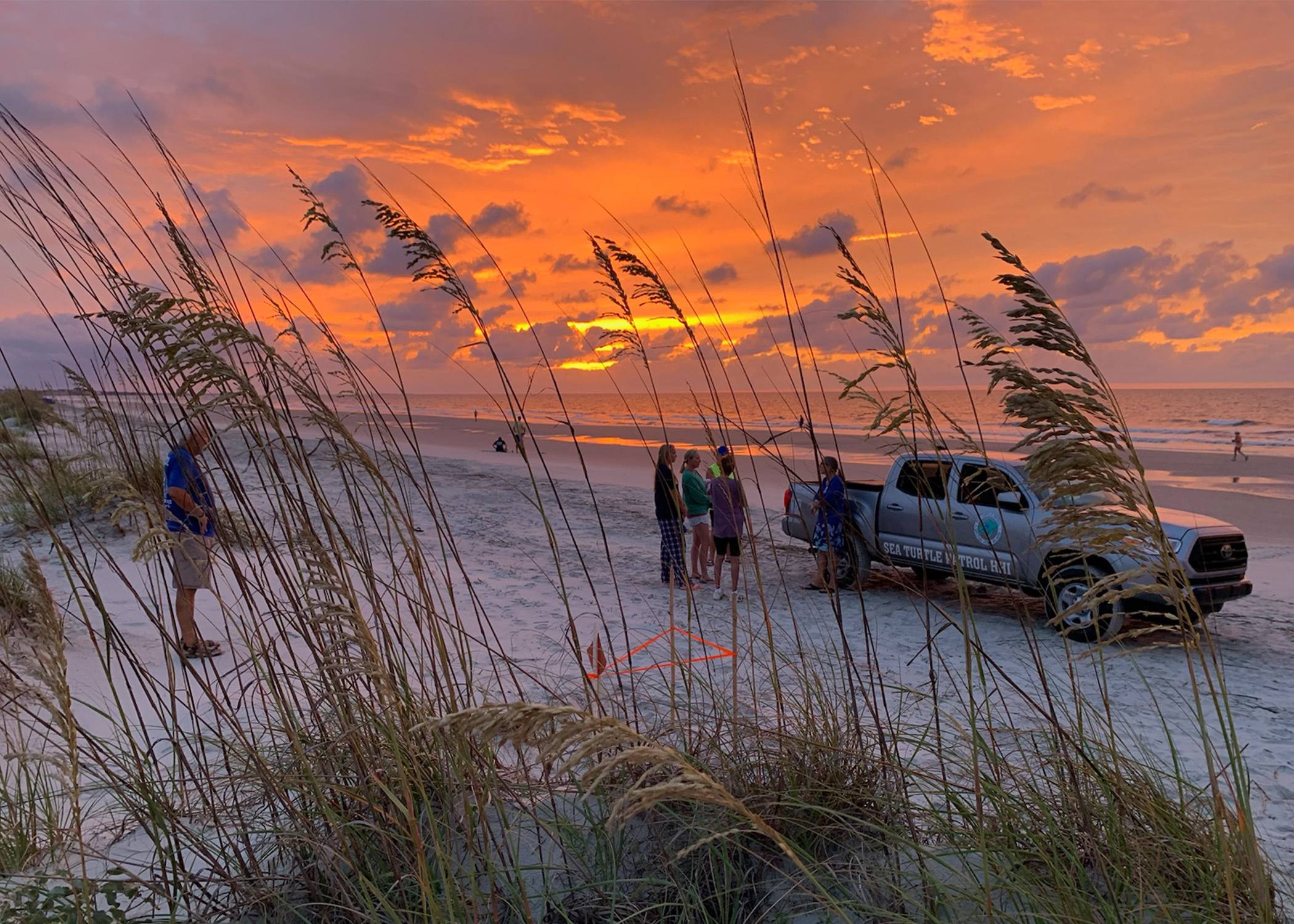
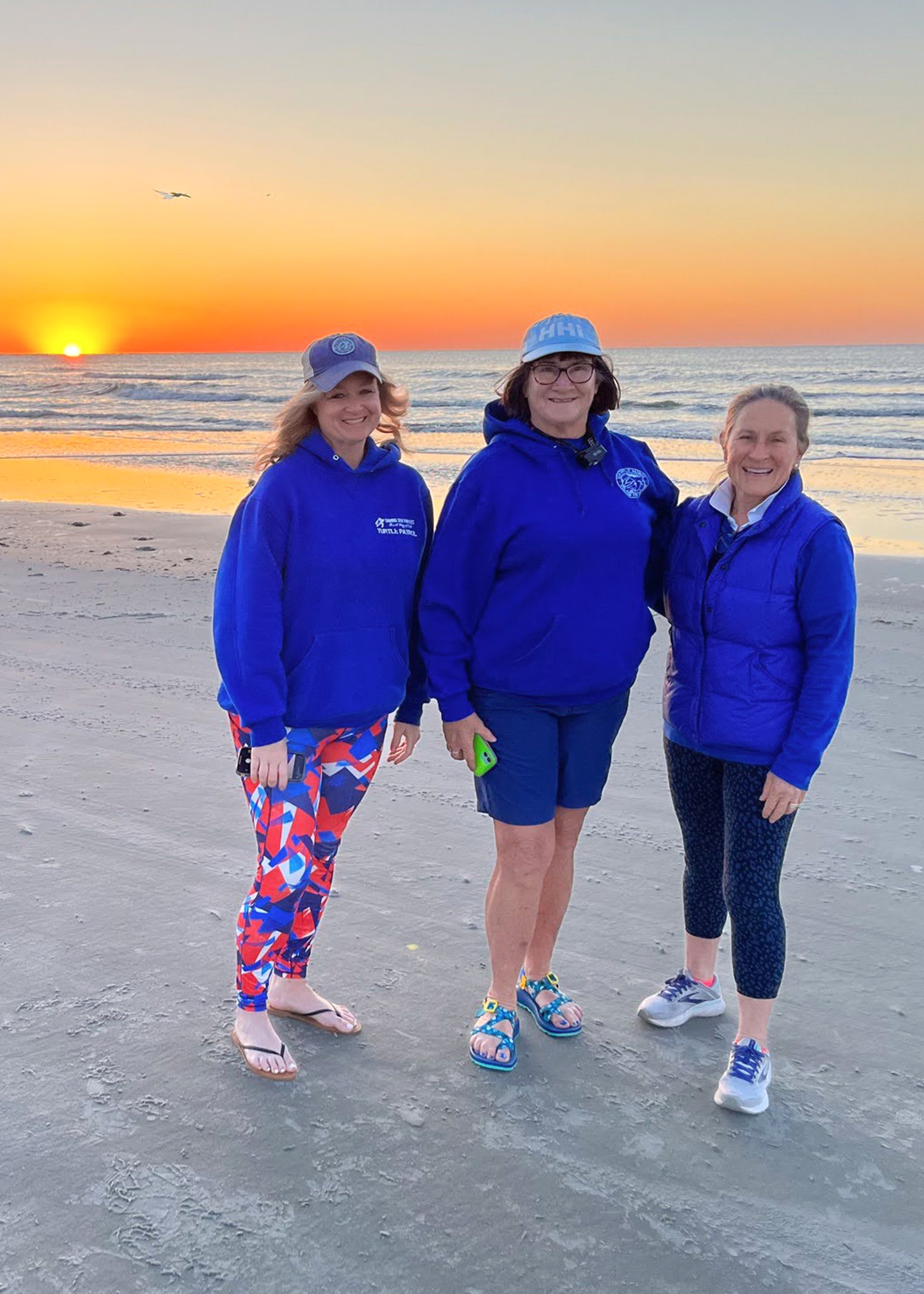
  • Sea Turtle Patrol at sunset
  • Sea Turtle Patrol at Sunset
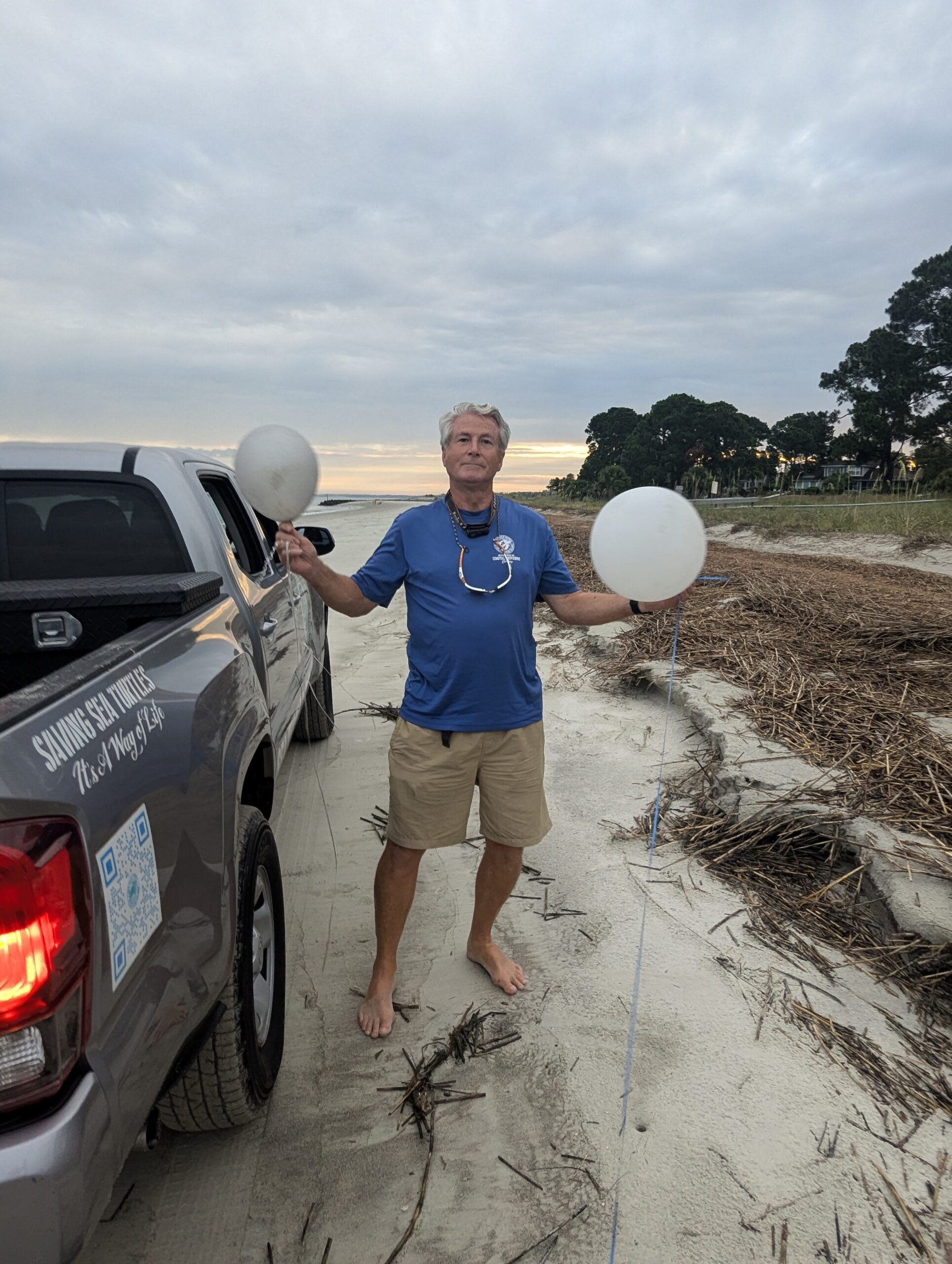
  • Sea Turtle Patrol Hilton Head truck
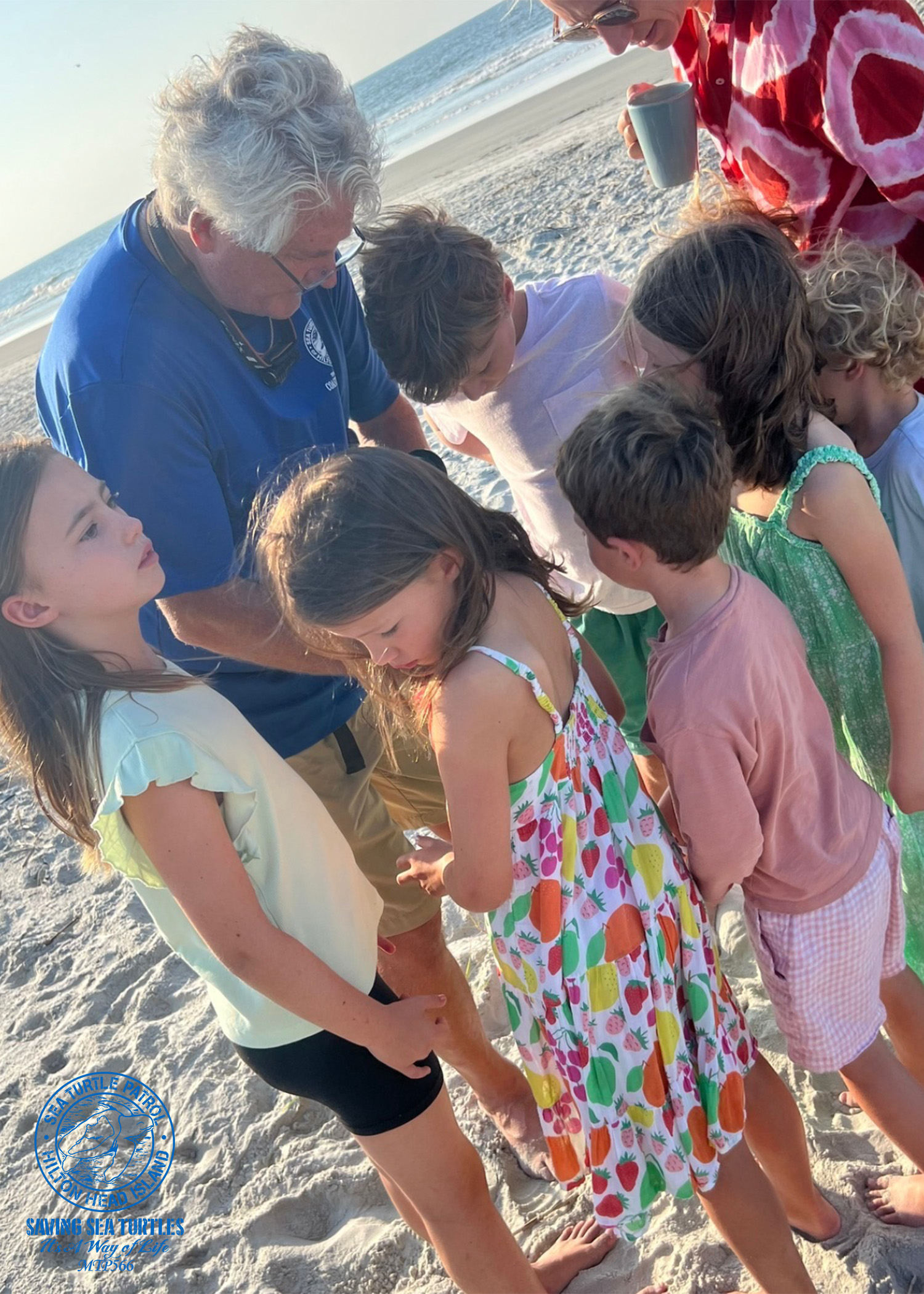
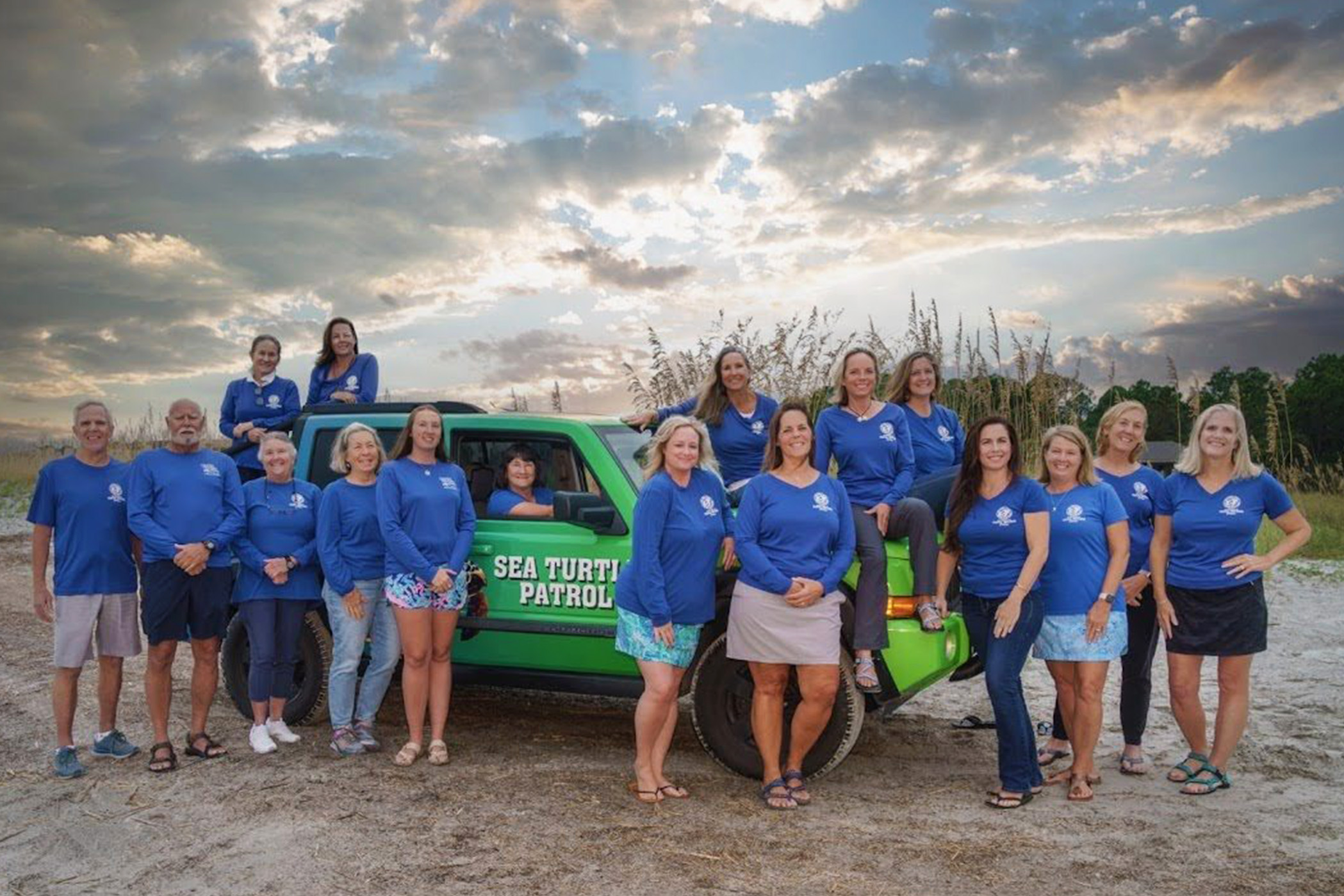
  • Sea Turtle Patrol Hilton Head staff
  • Sea Turtle Patrol Hilton Head
  • Sea Turtle Patrol Hilton Head
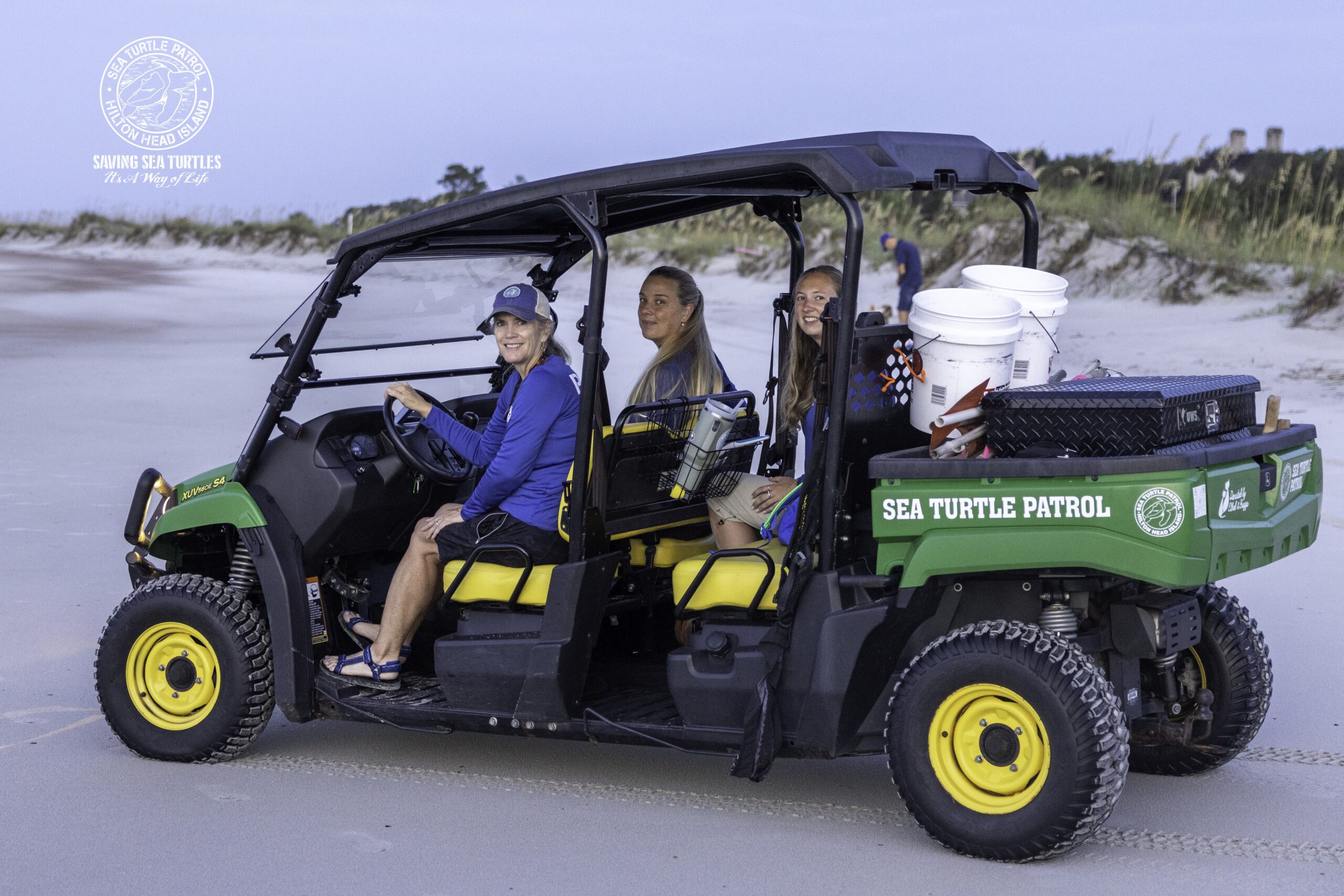
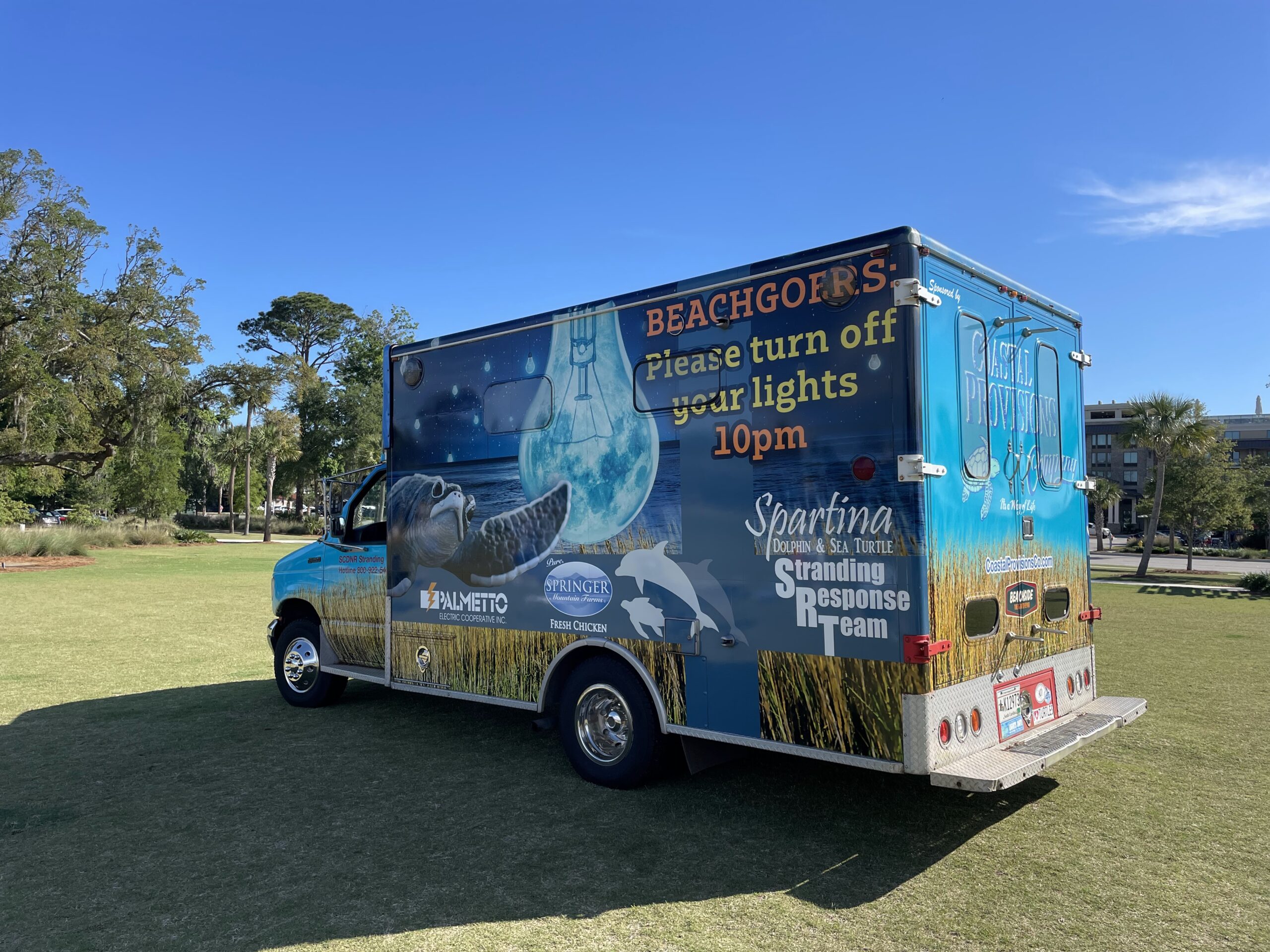
  • Hilton Head Sea Turtle Patrol rescue vehicle

Post navigation

Previous Previous
Event Photos
NextContinue
Beach Photos

Stay in touch

SAVING SEA TURTLES

Want to learn more about how you can help the sea turtles visiting Hilton Head Island? Join our mailing list and receive up-to-date information on nesting and our Patrol activities throughout the year.

Click Here to Sign Up for our Newsletter
Follow us on Social Media

Facebook Instagram TikTok YouTube
  • About Us
  • News & Updates
  • Donate
  • Privacy Policy
  • Contact
Report Sick or Injured Sea Turtles to SCDNR at 1-800-922-5431
Copyright © 2026 Sea Turtle Patrol Hilton Head Island, all rights reserved.
P.O. Box 23434, Hilton Head Island, SC 29925
EIN: 82-3642853
Click here
Laurus Leatherback

Gretta Green

A green sea turtle (Chelonia mydas) encountered around Hilton Head Island represents one of the world’s largest hard‑shelled marine reptiles, known for their herbivorous diet and reliance on warm, shallow coastal habitats. Although loggerheads dominate South Carolina nesting activity, juvenile green turtles forage in the region’s estuaries, where seagrass and algae provide essential nutrition. Like all reptiles, green turtles are ectothermic, meaning their body temperature depends on the surrounding water. When sudden winter cold fronts push water temperatures below roughly 50°F (10°C), turtles can experience cold‑stunning, a hypothermic state in which they become lethargic, lose the ability to swim, and may float to the surface or wash ashore. Cold‑stunned turtles are vulnerable to drowning, boat strikes, and predation, and require rapid rescue to prevent secondary complications such as pneumonia or shock. Conservation groups along the Southeast coast monitor for these events, as even a single cold snap can impact multiple species—including green turtles—within the island’s interconnected marshes and tidal creeks. Understanding cold‑stunning helps highlight how sensitive sea turtles are to temperature shifts and why protecting their habitats is essential for long‑term survival.

Myrtle
Myrtle the Turtle is a beloved icon on Hilton Head Island! Myrtle is a female loggerhead sea turtle famous for laying more nests than any other turtle, inspiring local conservation efforts, and featured in sculptures and children’s stories to educate visitors about protecting sea turtles, especially by keeping beaches dark at night during nesting season.
She’s known as “Fertile Myrtle” because she nests frequently, even more than the typical two-year cycle, laying numerous nests on Hilton Head.
She’s been nesting on the island since at least 2011 and is at least 60 years old, making her a significant figure in local marine biology.
Scroll to top
  • About Us
    • Our Organization
    • Sea Turtle FAQs
    • How to Help
    • Community Impact
    • Sea Turtle Friendly Program
  • Events
  • Nest Dedications
  • News & Updates
    • News & Updates
    • Photo & Video Gallery
  • Contact