

- This event has passed.
Registration is Required: Register Here
Wednesday Mornings 8:30-9:30am – On the Beach at the Sea Pines Beach Club
Rates: $22 Adult/ $16 Child
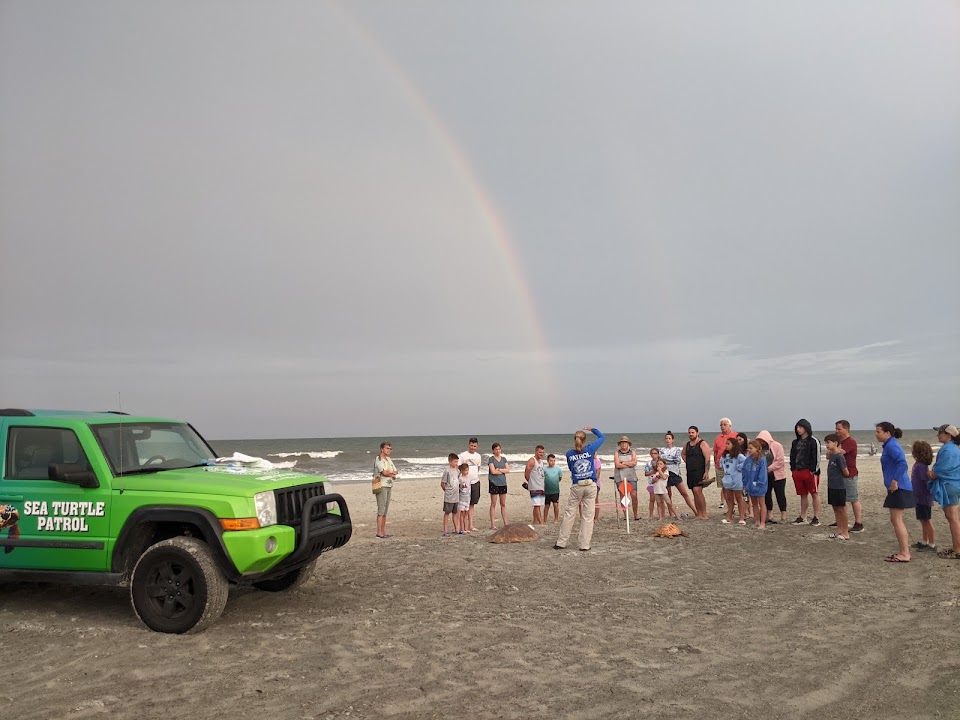
Discover the incredible lives of the sea turtles that nest on our beautiful island beaches from one of the Sea Turtle Patrol Hilton Head Island staff experts. Learn about their nesting rituals and how you can help protect this 80-million-year-old reptile as it continues the life-cycle of its ancient ancestors. If you are uncomfortable sitting or standing on the beach, you are encouraged to bring your own blanket or chair. This is an entertaining and educational family presentation; a sea turtle will not be making an appearance. Program is recommended for children ages 6 and up.
Turtle Talks will be held on Wednesday mornings June 19-August 14 on the beach at the Sea Pines Beach Club.
The program is designed for both visitors and residents.
Cost to attend is $22 for adults and $16 for children ages 12 and under. All children under the age of 12 must book with an adult.
Online registration is required!
Event Notes: You will need to be able to walk out on the beach, so those with mobility challenges might have difficulty. If you have problems standing for a long period of time or sitting in the sand, please bring a chair or blanket.
Want to learn more about how you can help the sea turtles visiting Hilton Head Island? Join our mailing list and receive up-to-date information on nesting and our Patrol activities throughout the year.
Click Here to Sign Up for our Newsletter