
35 events found.
Events
Calendar of Events
|
Monday
|
Tuesday
|
Wednesday
|
Thursday
|
Friday
|
Saturday
|
Sunday
|
|---|---|---|---|---|---|---|
|
0 events,
|
0 events,
|
0 events,
|
0 events,
|
0 events,
|
0 events,
|
0 events,
|
|
0 events,
|
0 events,
|
0 events,
|
0 events,
|
0 events,
|
0 events,
|
0 events,
|
|
0 events,
|
1 event,
-
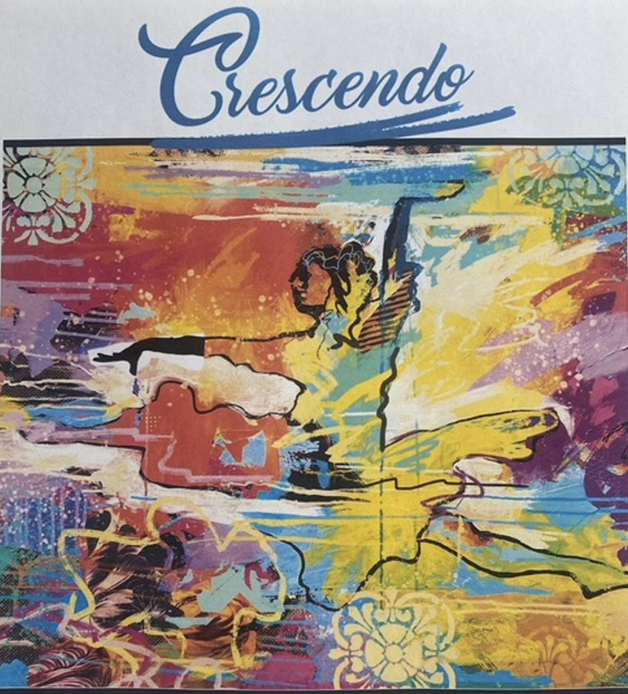
Hilton Head Island’s Annual Crescendo Community Celebration featuring live music, storytelling, and exhibitions by artists and cultural organizations kicks off on Tuesday, October 15th at 5pm at Shelter Cove Community Park. Join Sea Turtle Patrol HHI and the arts and cultural community for this FREE event featuring original art for sale, displays by local organizations,... |
0 events,
|
0 events,
|
0 events,
|
0 events,
|
0 events,
|
|
0 events,
|
0 events,
|
0 events,
|
0 events,
|
0 events,
|
0 events,
|
0 events,
|
|
0 events,
|
0 events,
|
0 events,
|
0 events,
|
0 events,
|
1 event,
Visit the Sea Turtle Patrol table in the Family Fun Zone at this year's Concours d'Elegance. This annual event is a unique, multi-day "Lowcountry" motoring experience that entertains and educates the community while supporting youth programs. We hope to see you there! November 2nd and 3rd, 2024 Port Royal Golf Club Click here for Tickets |
1 event, |