
Events
Calendar of Events
|
Monday
|
Tuesday
|
Wednesday
|
Thursday
|
Friday
|
Saturday
|
Sunday
|
|---|---|---|---|---|---|---|
|
0 events,
|
0 events,
|
0 events,
|
0 events,
|
0 events,
|
1 event,
Visit the Sea Turtle Patrol table in the Family Fun Zone at this year's Concours d'Elegance. This annual event is a unique, multi-day "Lowcountry" motoring experience that entertains and educates the community while supporting youth programs. We hope to see you there! November 2nd and 3rd, 2024 Port Royal Golf Club Click here for Tickets |
1 event, |
|
0 events,
|
0 events,
|
0 events,
|
0 events,
|
0 events,
|
0 events,
|
0 events,
|
|
0 events,
|
0 events,
|
0 events,
|
0 events,
|
0 events,
|
0 events,
|
0 events,
|
|
0 events,
|
1 event,
-

TICKETS ON SALE NOW! Limited number available! Sea Turtle Patrol Hilton Head Island invites the community to celebrate the successful 2024 nesting season with us! Tuesday, November 19, 2024 5pm - 8pm (Doors open at 5; Programs begins at 6) Poseidon Rooftop Bar 38 Shelter Cove Lane, Hilton Head Island Tickets are $50.00 - includes admission...
$50.
|
0 events,
|
0 events,
|
0 events,
|
1 event,
-
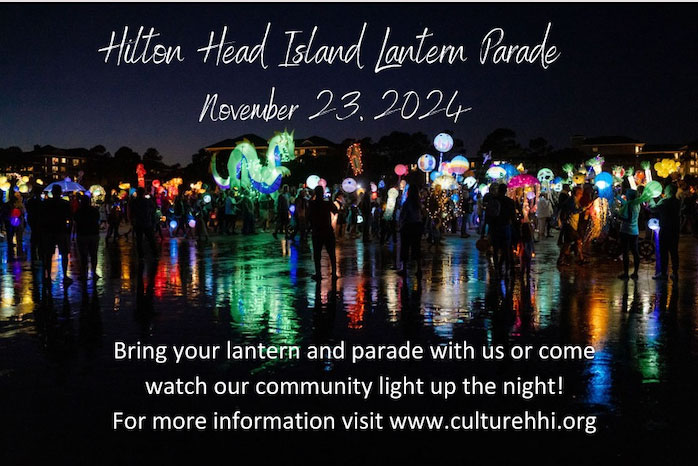
Sea Turtle Patrol is excited to light up the 2024 Lantern Parade on November 23rd. The Parade will begin at the Alder Lane Beach Access and proceed north along the beach. The Parade will end at Lowcountry Celebration Park. More details will be coming soon about the exact route, parking, shuttles, pre- and post-parade activities, and... |
0 events,
|
|
0 events,
|
0 events,
|
0 events,
|
0 events,
|
0 events,
|
0 events,
|
1 event,
Wine Time Bluffton, a community-focused wine bar and restaurant in Old Town Bluffton, has chosen Sea Turtle Patrol HHI for their "Buck A Battle, Buck A Bottle" nonprofit program for the month of December. Take a break from your shopping and pop in to Wine Time during the month of December for their ever-evolving selection of wines by-the-glass, a selection of... |